
Calgary Spring Cleaning: A Room-by-Room Reset for Your Home
Refresh your home after winter with Calgary spring cleaning tips for every room. Remove salt, dust, and moisture—start your reset today.
September 5, 2026
A Calgary spring clean has its own personality. After months of sealed windows, steady furnace use, dry indoor air, and boots carrying in salt and gravel, most homes need more than a quick dusting. The buildup is often easy to miss because it happens gradually: a film on the bathroom fixtures, grit along floor edges, dust around vents, and damp spots near windows after a chinook.
Spring is a practical time to deal with it. By mid-April or May, the risk of severe cold has usually eased, and opening a few windows gives you the ventilation that winter kept away. You do not need to tackle every job in one exhausting weekend, either. A methodical room-by-room reset makes the work manageable and helps you focus on the areas Calgary winters affect most.
For many households, the real goal is simple: remove winter residue, check for moisture problems, and start the warmer season with a home that feels cleaner to live in.
Why Calgary Homes Need a Seasonal Reset
Winter cleaning is often about maintenance. You wipe up puddles near the door, vacuum often enough to keep floors presentable, and clean the kitchen and bathrooms as usual. Spring is when the less visible work catches up with you.
Furnaces run for long stretches during Calgary winters, moving dry air and dust through the house. Even with regular vacuuming, fine debris settles on baseboards, vents, high shelves, upholstery, and the tops of doors. Closed windows also mean cooking residue, cleaning-product scents, and ordinary household particles linger indoors longer than they do in warmer months.
Then there is the familiar mess at the entryway. Road salt, sand, and small stones make their way in on boots, pet paws, bags, and vehicle mats. Salt can leave a chalky white residue on floors and can be rough on wood finishes if it sits for too long.
Chinooks add another issue. Fast temperature changes can cause condensation on windows, especially around frames, tracks, and sills. A little moisture may seem harmless, but repeated condensation can damage paint and create small mould spots. It is much easier to clean a tiny patch early than deal with a moisture problem later.
A thorough home cleaning in spring is less about perfection and more about resetting the places winter puts under pressure.
Start With the Tasks That Make the Biggest Difference
If you only have a few hours, start with four jobs: replace the furnace filter, remove salt from the entryway, clean window sills and frames, and inspect damp-prone areas for mould.
These tasks matter because they deal with air quality, winter grit, and moisture. They also make the home feel noticeably fresher quickly.
Before getting started, gather a vacuum with attachments, microfiber cloths, a soft brush, a mop suitable for your floor type, a mild all-purpose cleaner, dish soap, white vinegar, baking soda, and a few old towels. Avoid mixing cleaning products, especially bleach and vinegar. If you are treating natural stone, use a stone-safe cleaner rather than vinegar or acidic products, which can dull or etch the surface.
Open windows when outdoor conditions are comfortable. Fresh air is one of the easiest ways to clear out the stale feeling that accumulates after a long winter.
Kitchen: Clear Out Grease, Crumbs, and Mineral Buildup
Kitchens collect more winter residue than people expect. With less ventilation, cooking grease settles on the backsplash, cabinet fronts, nearby walls, and range hood. Start there.
Remove the range hood filter and check whether it can be washed or needs replacing. Many metal filters can soak in hot water with dish soap and a degreasing product, but check the manufacturer’s guidance first. Wipe the hood exterior and degrease the backsplash and wall around the stove. This is one of those jobs that looks tedious until you see the cloth turn yellowish. Then it feels very worthwhile.
Pull the refrigerator and stove away from the wall if it is safe to do so. Vacuum crumbs, dust, and pet hair behind and underneath. Refrigerator coils also collect dust, which can make the appliance work harder. Use a coil brush or vacuum attachment gently.
The dishwasher deserves attention too. Remove and rinse the filter, wipe the door seal, and run a cleaning cycle according to the appliance instructions. Descale the kettle and coffee maker to deal with Calgary’s hard-water deposits. A vinegar solution may work for some appliances, though manufacturer directions should always come first.
Finish with the less glamorous areas: cabinet handles, pantry shelves, garbage bins, light fixtures, and the floor edges beneath cabinets. Check pantry dates as you go. There is no need to keep a bag of flour that has been sitting untouched since 2022.
Bathrooms: Deal With Condensation and Hard Water
Bathrooms have a predictable spring-cleaning list in Calgary: soap scum, mineral deposits, and moisture checks.
Scrub the tub, shower walls, glass door, and fixtures. Hard water often leaves cloudy marks on shower glass and white deposits around faucets. A vinegar soak can loosen mineral buildup on many showerheads, but do not use vinegar on natural stone tile. If the showerhead is removable, soak it in a bowl of diluted vinegar. If not, fill a plastic bag with the solution, secure it around the showerhead, and leave it for a short period before rinsing.
Grout often needs more patience than force. A baking soda paste and a small scrub brush can lift surface grime. If grout remains dark or mouldy after cleaning, the issue may be deeper than a surface stain. Persistent mould, crumbling grout, or recurring dampness may call for repair rather than more scrubbing.
Clean the exhaust fan cover and visible blades, with the power switched off. A dusty fan moves air less effectively, which is frustrating in a room that already deals with humidity. Check caulking around the tub, shower, and sink for cracks, peeling, or mould. Caulking is small stuff until water gets behind it.
Wash bath mats, clean behind the toilet, wipe hinges and the toilet base, and empty the medicine cabinet of expired products. Give mirrors, light fixtures, cabinet interiors, and baseboards the same attention. These finishing steps make a bathroom feel truly clean instead of merely wiped down.
Bedrooms: Reset the Places Where Dust Settles Quietly
Bedrooms can look tidy while hiding a surprising amount of dust. Dry winter air, bedding, textiles, and limited ventilation all contribute.
Wash bedding beyond the sheets. Include duvet covers, mattress pads, pillow protectors, throws, and washable blankets. Follow care labels for duvets and pillows, especially down-filled items. Vacuum the mattress using an upholstery attachment, then rotate it if the manufacturer recommends rotation. Some mattresses should not be flipped, so do not assume both sides are usable.
Move the bed enough to vacuum underneath and behind the headboard. Dust dressers, nightstands, lamps, picture frames, baseboards, and the tops of closet doors. Ceiling fans are another common source of hidden dust. Clean the blades before turning the fan on for the first warm spell, unless you enjoy a small indoor dust storm.
Closets benefit from a seasonal sort. Put away winter gear that is clean and dry, and set aside clothing you no longer wear for donation or textile recycling. Vacuum the closet floor before returning items. It takes only a few extra minutes and keeps dust from transferring to freshly stored clothes.
Pay attention to window sills, particularly in bedrooms with north-facing windows or exterior walls. Look for paint bubbling, dark spots, damp wood, or musty smells. These signs are worth addressing early.
Living Areas: Clean What Winter Air Leaves Behind
Living rooms and family rooms often need a top-to-bottom approach. Start high with ceiling corners, fan blades, and light fixtures, then work down through shelves, furniture, and floors.
Use a dry microfiber cloth on television screens and electronics. Avoid spraying cleaner directly onto screens, as moisture can reach openings around the edges. Dust bookshelves, décor, picture frames, and the tops of cabinets. If you have a fireplace, clean the surround and glass with products suitable for its material and fuel type.
Vacuum upholstered furniture carefully, including under cushions and along seams. Crumbs, pet hair, and dust collect there with impressive determination. Spot-treat fabric stains only after checking the upholstery tag. Water can worsen some marks or leave rings on delicate fabrics.
Area rugs may need a deeper clean after winter, especially near doors and busy seating areas. A thorough vacuum is the minimum. Professional carpet extraction can be useful after a winter of salt, gravel, and wet footwear, particularly for wall-to-wall carpeting and large rugs.
Wash interior window glass, tracks, frames, and sills. Vacuum loose debris from the tracks first, then use a small brush and mild cleaner for the corners. Clean blinds with a microfiber cloth or vacuum attachment. Curtains may be washable, dry-clean-only, or best handled with a gentle vacuum, depending on the fabric.
Entryways and Mudrooms: The Winter Damage Zone
The entryway is where Calgary winter leaves its clearest evidence. Salt streaks, gravel, wet boot trays, and dirty mats all gather in a small space.
Take entrance mats outside, shake them thoroughly, and wash or replace them if they have stopped trapping dirt effectively. Empty and sanitize boot trays. Sweep before mopping so gravel does not scratch the floor.
For salt residue on durable tile or vinyl, a diluted vinegar-and-water solution can help. Test it in an inconspicuous place first, and avoid vinegar on stone, hardwood, or any floor manufacturer advises against it. Follow with a clean-water rinse so residue does not remain.
Wipe walls, baseboards, door frames, and closet shelves. Salt splashes often land lower on the wall than you would think. Clean the inside and outside of the front door, then check weatherstripping for cracks or areas that have loosened over the winter.
This is also a good time to sort winter gear. Store what you will use next year, dry and clean. Donate duplicates and items that no longer fit. A less crowded entryway is easier to keep clean when the next wet season arrives.
Laundry Room: A Small Room With Important Maintenance Jobs
Laundry rooms are easy to postpone because they are usually hidden away. Still, they contain two appliances that benefit from basic seasonal care.
Run a washer-cleaning cycle if your machine has one. Otherwise, follow the manufacturer’s directions for cleaning the drum. Many machines tolerate a hot cycle with vinegar, but check the manual before adding anything. Wipe the door seal or lid area, detergent drawer, exterior surfaces, and utility sink.
Clean the dryer lint screen and vacuum the lint trap housing with a long brush attachment. Inspect the dryer vent hose for crushing, tears, or buildup. Restricted dryer vents are a real fire risk, so this is not a job to rush past. The exterior vent cover also needs clearing once outdoor temperatures make access comfortable.
Sweep and mop behind the machines if you can move them safely. Water stains, lint buildup, and stray socks tend to collect there.
Whole-Home Tasks That Improve Indoor Air
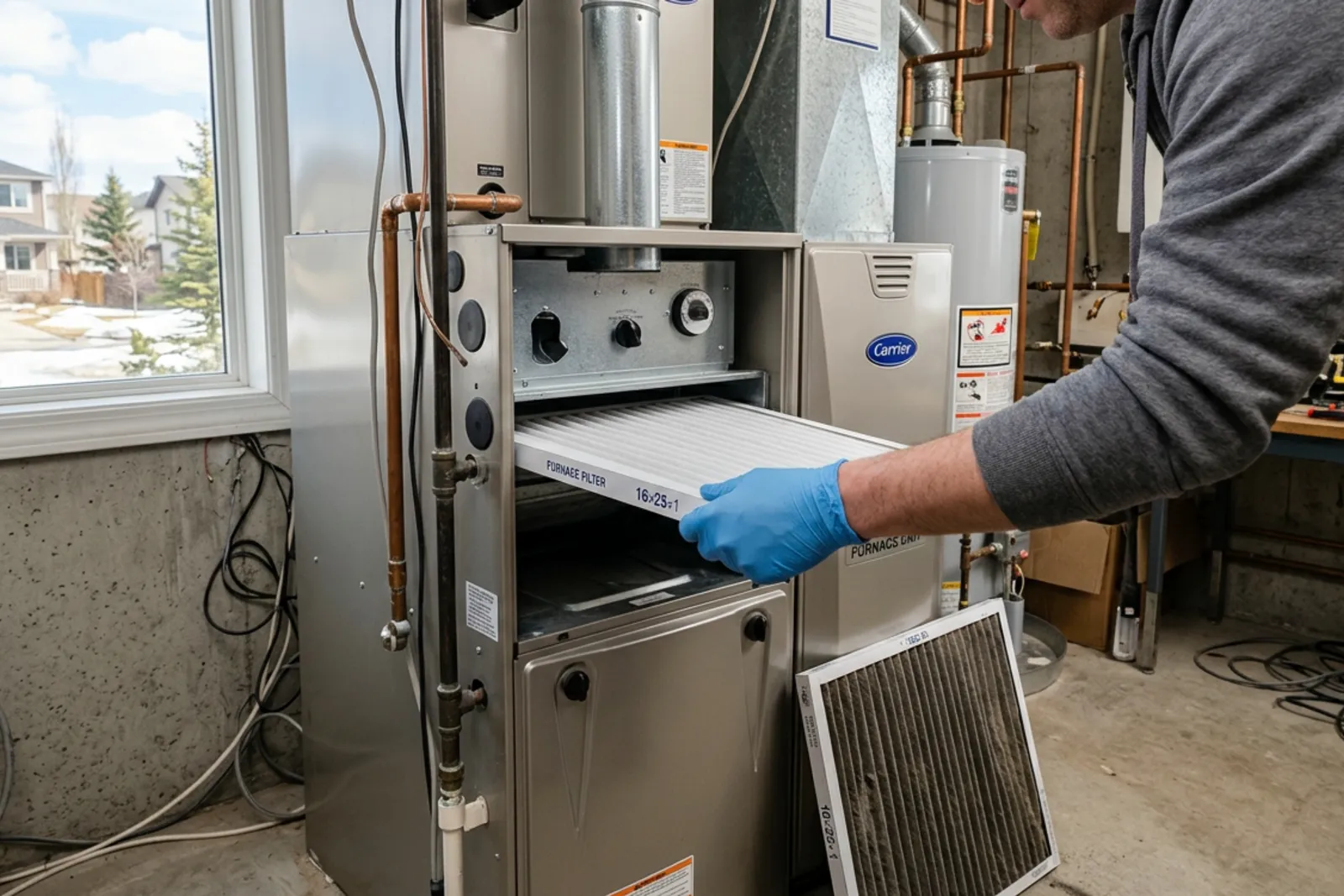
A spring clean should include the systems that move air through the house. Replace the furnace filter after a heavy heating season. If you have pets, allergies, or a busy household, your filter may need replacement more often than the basic schedule suggests.
Vacuum cold-air return grilles and remove dust from supply vent covers. Wash removable covers, dry them fully, and reinstall them. If your home has an HRV or ERV unit, inspect its filters and core according to the manufacturer’s maintenance instructions.
Duct cleaning is not automatically necessary every year. It may be worth considering when you notice excessive dust shortly after cleaning, visible debris around vents, major renovations, or several years since the last service.
For floors, choose methods that suit the material. Hardwood may need a manufacturer-approved deep cleaner and, if salt damage has worn down the finish, a conversation with a flooring professional about recoating. Laminate should not be soaked. Tile benefits from grout cleaning and a proper rinse. Carpet often responds best to professional extraction after winter.
A Practical Five-Day Plan
Trying to do every task in one day is a reliable way to end up annoyed, tired, and surrounded by half-finished chores. Spreading the work over five days is kinder on your schedule.
On day one, clean the kitchen and laundry room. Plan roughly three or four hours.
Use day two for bathrooms, which usually take two or three hours depending on the number of rooms.
Reserve day three for bedrooms, bedding, closets, and under-bed cleaning.
On day four, tackle living spaces and the entryway.
Use day five for filters, vents, windows, floors, and outdoor touch-ups.
A typical 1,500 to 2,000 square foot home can take roughly 15 to 20 hours for a detailed DIY reset. If that sounds like too much, it is reasonable to split the project over several weekends or bring in help for carpets, high windows, heavy appliances, or stubborn grout.
Check for Mould After Chinooks
Spring cleaning is a useful inspection routine, especially after a winter with frequent chinook cycles. Look around window frames and sills, basement walls, floor-wall junctions, exterior-facing furniture, bathroom ceilings, and exhaust fans.
Small surface spots on non-porous materials may be cleaned carefully, provided the underlying moisture issue is corrected. Porous materials with extensive mould growth, persistent musty odours, water damage, or recurring condensation need more attention. In those cases, professional assessment is often the sensible choice.
Move furniture a few inches away from cold exterior walls if airflow has been limited. Keep indoor humidity at a manageable level during cold weather, and wipe condensation promptly when it appears. Cleaning the visible spot without addressing moisture is like emptying a bucket while the tap is still running.
Finish Outside When the Weather Cooperates
Once temperatures stay above about 5°C, clean exterior windows, screens, and doors. Remove screens, wash them with mild soapy water, rinse, and let them dry before reinstalling. Sweep winter gravel off walkways, inspect the exterior dryer vent cover, and clean outdoor light fixtures.
Pressure washing concrete can help with salt or oil staining, but wait for suitable weather and use care around joints, siding, and nearby landscaping. Garage floors and vehicle mats also deserve a rinse after months of carrying winter grit.
A Calgary spring clean is substantial work. Still, it pays off in ordinary, satisfying ways: cleaner air, brighter windows, less grit underfoot, and fewer surprises hidden behind furniture or around window frames. Start with the jobs winter made necessary, then work through the rest at a pace that fits your home and your week.