
Why Mold Keeps Coming Back in Your Shower, and How to Stop It
Learn why shower mold keeps coming back and how to stop it with simple moisture-control tips. Read practical shower mold prevention advice today.
July 28, 2026
Shower mold has a way of making a clean bathroom feel dirty five minutes after you finish scrubbing it. You wipe the tub, rinse the walls, maybe even bleach the grout, and then a week later there it is again. Black specks in the caulk. Pink film near the drain. Gray fuzz on the shower curtain. Annoying, yes. Also very normal.
Bathrooms are almost built for mold if moisture hangs around too long. Warm air, wet surfaces, soap residue, skin cells, and not quite enough airflow. That mix gives mold exactly what it wants.
The good news is that preventing mold usually has less to do with harsh chemicals and more to do with moisture control and routine. You do not need a perfect bathroom. You need a drier one.
Why showers and bathtubs get mold so easily
Mold needs three basic things to grow: moisture, a food source, and time. A shower or bathtub offers all three.
The moisture part is obvious. Every shower leaves behind water droplets on tile, grout, caulk, metal fixtures, and the tub itself. If the bathroom fan is weak, or nobody opens a window, that moisture can sit for hours. In some homes, especially during colder months, bathrooms dry very slowly.
The food source is less obvious. Mold is not feeding on your tile. It is feeding on the tiny organic material left behind on surfaces. Soap scum traps body oils, shampoo residue, dead skin cells, and dust. That thin film is enough.
Then there is time. If the shower stays damp between uses, mold never really loses its foothold. In a busy household where multiple people shower back to back, the surfaces may stay wet all day.
Caulk and grout are especially vulnerable because they are porous or textured. Tiny pits and cracks hold moisture longer than smooth glass or glazed tile. Once mold grows below the surface, it gets much harder to remove completely.
Mold, mildew, or just bathroom gunk?
A lot of people call every bathroom stain “mold,” but a few different things may be showing up in your tub or shower.
Black or dark spotting on grout or caulk is often mold. It may look like pepper sprinkled into corners or seam lines. Sometimes it spreads into blotchy patches.
Pink or orange slime is usually not mold. It is often a bacteria called Serratia marcescens, which likes wet, soapy places just as much as mold does. It still needs cleaning, but it responds a little differently.
Gray or green fuzzy growth on a shower curtain or around window trim is more likely to be mold.
Then there is plain soap scum, which can look chalky, filmy, or yellowish. Hard water can add mineral buildup to the mix. Those deposits are ugly, but they do not mean mold is present.
If a stain keeps returning in the exact same spot after surface cleaning, especially on caulk, that is a clue that growth may be rooted deeper than what you can see.
Why it matters more than appearance
A little mold in the shower is common, but that does not mean it should be ignored.
For some people, mold exposure can irritate the eyes, nose, throat, or skin. People with asthma, allergies, or weaker immune systems may be more sensitive. Even when it is not causing a clear health issue, it often brings musty odors and that stale bathroom smell nobody wants.
There is also the material side of the problem. Mold on tile is one thing. Mold in failing caulk, behind loose grout, or under a tub edge can point to ongoing moisture problems. If water gets behind surfaces, you can end up with damaged drywall, swollen trim, stained ceilings below, or soft subflooring. At that point, the issue is no longer just cleaning. It is repair.
I think this is the part people underestimate. Visible shower mold is sometimes the easy part. Hidden moisture is the expensive part.
The spots where mold loves to hide
Most people notice mold where it is easiest to see, but bathrooms have several repeat-offender areas:
Along the bottom edge of the shower door or curtain
In silicone caulk where the tub meets the wall
In grout lines at the corners
Under shampoo bottles, soap dishes, and bath toys
Around the drain cover and overflow plate
On the ceiling above the shower
Inside the exhaust fan cover
On window sills or trim near the tub
If you keep cleaning the walls but forget the bottles sitting in puddles, the mold often keeps coming back. Same story with bath mats that never fully dry, or a shower curtain liner that stays folded into itself.
How to clean shower and bathtub mold safely
There is no single cleaning method that works for every surface. That is where people get into trouble. A product that is fine for ceramic tile might damage natural stone, strip finish, or weaken older caulk.
Start with the basic rule: ventilate the room, wear gloves, and avoid mixing cleaners. Especially do not mix bleach with ammonia, vinegar, or other products. That can create dangerous fumes.
Here is a straightforward way to tackle small to moderate mold on common bathroom surfaces.
1. Reduce the grime first
Before using any mold treatment, wash away soap scum and residue with warm water and a mild bathroom cleaner. If you skip this step, the cleaner may struggle to reach the actual growth under the film.
A soft scrub brush or non-scratch sponge usually works well for tubs, tile, and fiberglass. Rinse thoroughly.
2. Choose the right cleaner for the surface
For many tile, porcelain, and fiberglass showers, a bathroom cleaner labeled for mold and mildew can work well. Hydrogen peroxide is another common option for surface mold. Some people prefer diluted vinegar for light growth, though it is not right for every material and it should never be mixed with bleach.
Bleach can lighten stains on non-porous surfaces, but it is often treated like a magic answer when it really is not. On porous materials such as grout or caulk, bleach may remove the visible color without fully reaching growth below the surface. That is why the black spots often come back.
For natural stone, use extra caution. Marble, limestone, travertine, and some specialty tile can be etched by acidic cleaners and damaged by the wrong products. In those bathrooms, surface-safe stone cleaners matter.
3. Give the cleaner time to work
This is the step people rush. Spray, wait the label-recommended dwell time, then scrub. If you wipe it off too soon, you are mostly just moving the problem around.
Use an old toothbrush or grout brush for seams, corners, and textured areas. Scrub firmly, but do not grind away at soft caulk.
4. Rinse and dry thoroughly
Rinse the area with clean water and dry it as much as possible with a microfiber cloth or towel. Drying matters more than it gets credit for. If the area stays wet after cleaning, you have basically reset the conditions mold likes.
5. Know when cleaning is not enough
If caulk stays black after repeated cleaning, or if the staining appears embedded below the surface, replacement is often the better fix. Old caulk can become permanently stained or colonized. The same goes for cracked grout. Sometimes the honest solution is removal and re-caulking, not another round of scrubbing.
Shower curtains and liners are another judgment call. Some can be washed. Some are cheap enough that replacing them is simpler and cleaner.
A prevention routine that actually works
You do not need a deep cleaning session every day. Mold prevention is mostly about small habits done consistently. The goal is to shorten the amount of time your bathroom stays damp.
Here is a practical routine:
After each shower, run the exhaust fan for at least 20 to 30 minutes.
Pull the curtain closed so it can dry flat, or leave the shower door open if that helps airflow.
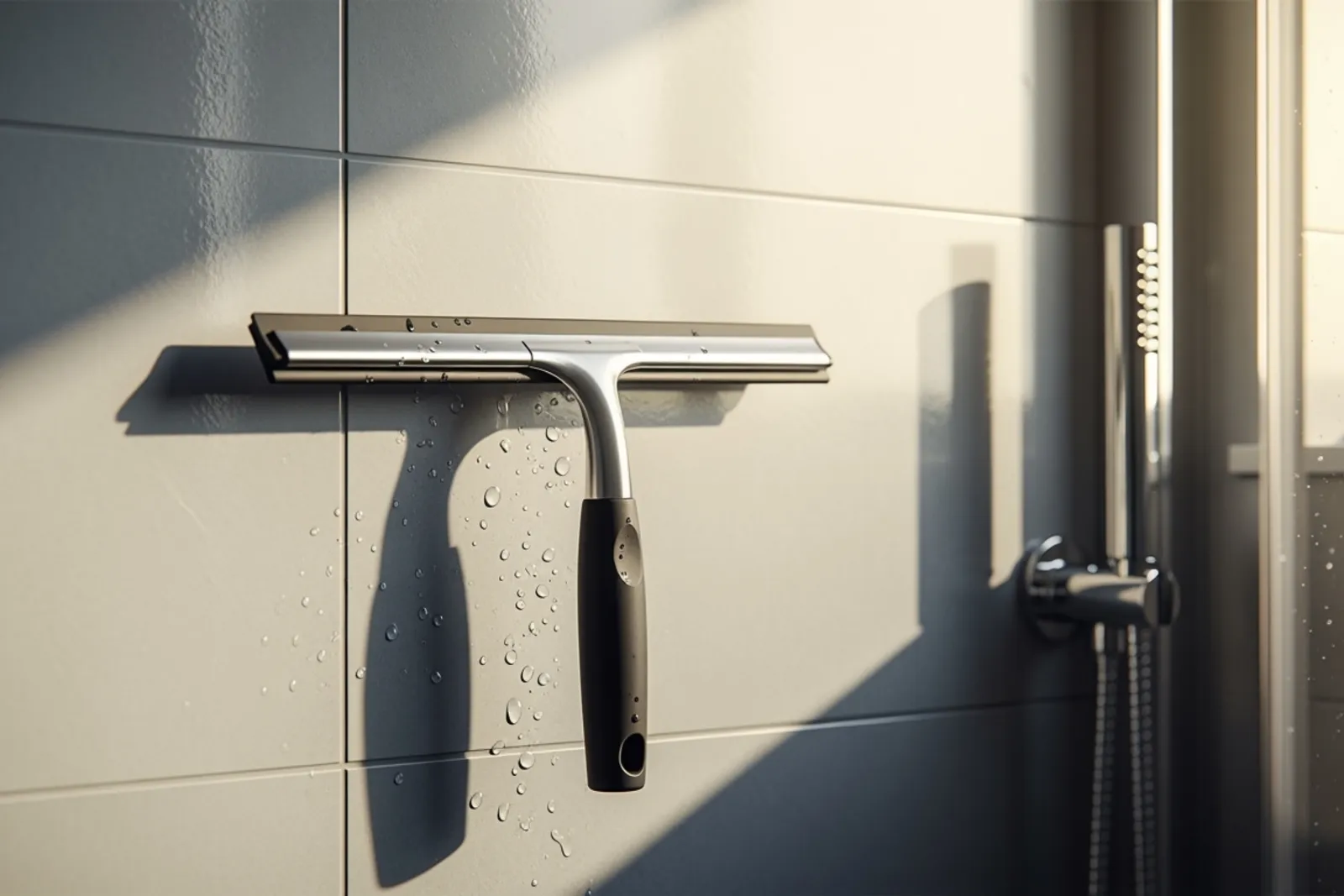
Use a squeegee or towel on the walls and glass, especially in corners and along the tub edge.
Move bottles, toys, and razors out of pooled water.
Once a week, wash away soap scum before mold gets a foothold.
Once a month, check caulk lines, grout, and the fan cover.
That may sound basic, but this is what works. The biggest difference-maker in many homes is simply getting water off the surfaces and out of the room faster.
Ventilation is usually the real issue
If mold keeps returning no matter how often you clean, the bathroom may not be drying properly.
A working exhaust fan should vent moisture outside, not into the attic. It should also be the right size for the room. Plenty of fans are either too weak, too dirty, or barely used. If the grille is coated in dust, airflow drops. If the fan sounds loud but the mirror stays fogged for an hour, it may not be doing enough.
A simple test is to hold a square of toilet paper against the fan grille while it is running. If the paper does not stay in place, suction may be poor.
Open windows can help when weather allows, but they are not always enough on their own. In colder climates, people often keep bathrooms closed up tight, which traps humidity. A dehumidifier can help in stubborn cases, especially in older homes or basement bathrooms.
Daily habits that make mold worse without people noticing
A few common habits quietly feed bathroom mold.
Leaving wet washcloths or loofahs in the tub is one. They trap moisture and organic material together. Storing several bottles on the tub ledge is another, because water pools underneath them. Closing a shower curtain while it is bunched up creates dark, damp folds where growth starts fast.
Even skipping small leaks matters. A dripping faucet or a shower head that keeps the wall damp all day can keep surfaces wet long after bathing is done. Loose grout, missing caulk, and slow drains do the same thing in different ways.
I also think many people overfocus on the dramatic cleaning product and underfocus on the simple physical fixes. Better airflow, less clutter, prompt drying, and repaired leaks beat “stronger” chemicals most of the time.
What to do about stubborn grout and caulk
Grout and caulk deserve separate attention because they are where the ugliest stains tend to settle.
Grout is porous unless it has been properly sealed and maintained. Once soap residue and moisture work their way in, it can discolor quickly. Scrubbing with a grout brush and an appropriate cleaner can help a lot, but if the grout is cracked or crumbling, it needs repair.
Caulk is softer and easier to damage. If mold has penetrated old silicone or if the caulk is peeling away from the wall, scrubbing harder usually makes things worse. Replacement is cleaner, and it also restores the water barrier that protects the wall behind the tub.
In other words, if you are fighting the same black line month after month, that may be a maintenance issue, not a cleaning failure.
When you should stop DIY and bring in help
Some bathroom mold is manageable. Some is a sign that the problem goes beyond the surface.
It is smart to get professional help if:
The mold keeps returning quickly after cleaning
The affected area is large or spreading beyond the shower
You smell mold but cannot see where it is coming from
Caulk, drywall, paint, or flooring feels soft or damaged
There has been a leak, flood, or ongoing plumbing issue
Someone in the home has severe mold sensitivity or breathing issues
A cleaner can help with surface restoration, but hidden moisture problems may call for a contractor, plumber, or mold remediation specialist. That distinction matters. Cleaning the outside of the problem is not the same thing as solving the inside of it.
The simplest way to think about prevention
If you remember one thing, make it this: mold prevention is moisture management.
Clean bathrooms matter, of course. A regular home cleaning routine helps because it removes the soap scum and residue mold feeds on. But the real battle is won in the hour after the shower ends. Dry the surfaces. Vent the air. Fix the leaks. Keep the corners and seams in good shape.
That is less dramatic than “just use bleach,” but it is more honest. Mold in a shower or bathtub usually comes back because the bathroom is staying wet, not because you did not scrub hard enough.
And honestly, that is useful news. It means the solution is often more practical than punishing. A fan that works, a quick squeegee, a little less clutter, and timely repairs can change the whole pattern.